
Future Places Toolkit Ltd
The University of Bristol


Who would you like to contact?
Paul Clarke
Lead Academic / Co-founder, Department of Theatre
Jessica Warren
CEO / Commercial Lead
info@futureplacestoolkit.co.uk
Problem
Planning and development consultation can often feel dry, inaccessible and superficial. Traditional approaches may fail to engage communities meaningfully or capture constructive, balanced insight. This can lead to mistrust, objections, delays and additional costs, even where proposed developments respond to genuine local needs such as housing, regeneration and infrastructure.
Solution
Future Places Toolkit reimagines planning consultation by combining immersive technology with expert facilitation to help communities, planners and built-environment professionals shape places together.
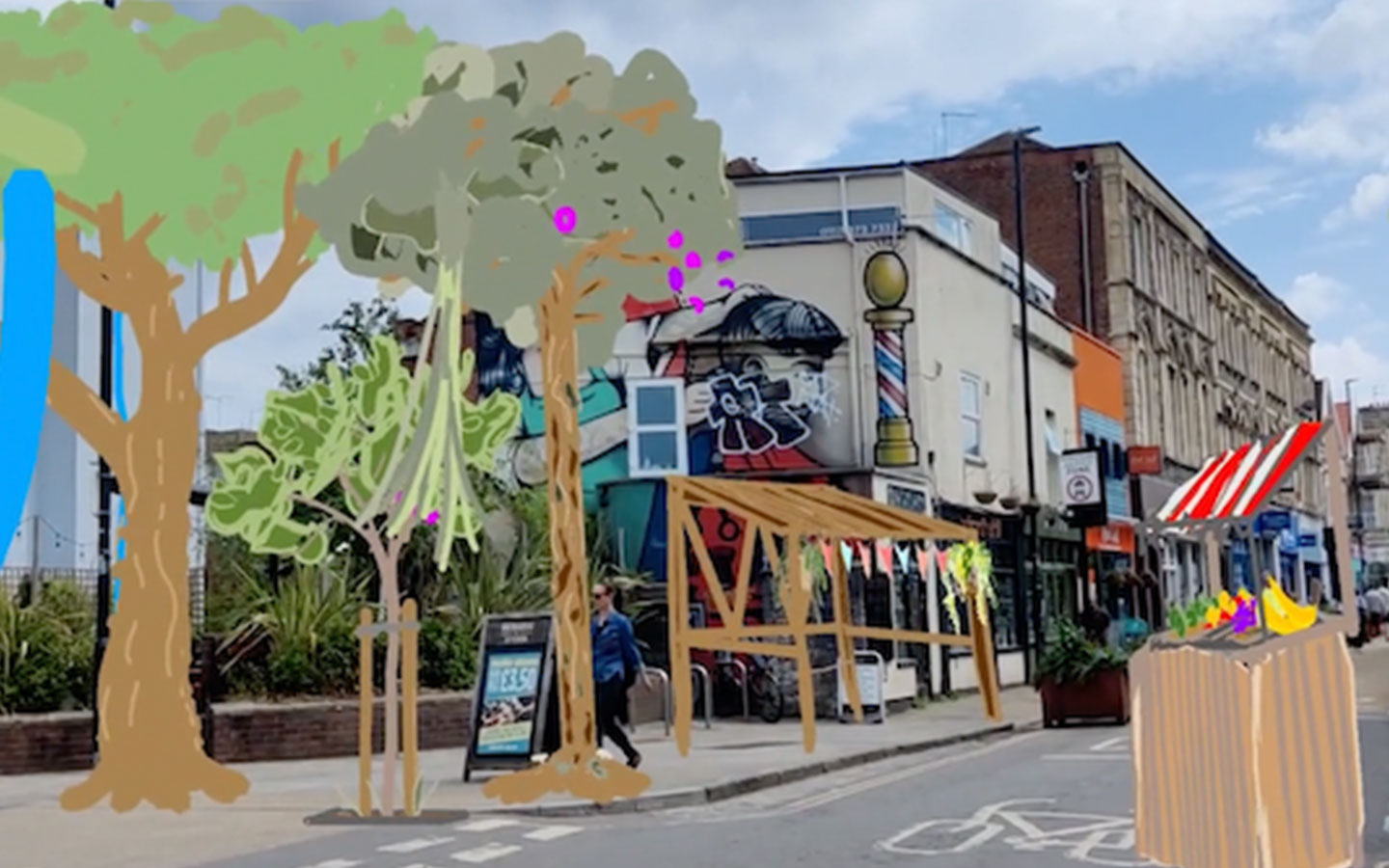
The venture uses guided conversation, live VR sketching and augmented reality viewed on smartphones to help people see proposed plans and their own ideas visualised in the real-world location where development is being considered. This makes consultation more accessible, engaging and constructive, particularly for people who may not otherwise take part in conventional planning processes.
The approach supports architects, civil engineers, council planners, developers and communities by helping to involve a broader range of stakeholders, generate richer place-based insights, strengthen project designs and build greater trust and buy-in. Workshops can be delivered in person on site, supported by post-session analysis and visual reporting, with an emerging online engagement platform to extend participation and capture further insight beyond the live sessions.
Future Places Toolkit’s mission is to engage everyone in shaping the future of their places and built environment through creative approaches and immersive technologies.
Sustainable Development Goals addressed



UKRN Services CIC
A combination of inconsistent research practices, training gaps, low confidence and rising external scrutiny threatens UK institutional standards, research funding and reputation.
The 1928 Institute
The University of Oxford
The 1928 Institute targets a lack of representation, systemic data gaps, and under-addressed discrimination facing the British Indian community.
The 1752 Group
University of York
Sexual misconduct by staff is under-reported and under-researched. Higher education institutions in the UK need to be leading the change to prevent cultures of abuse, respond effectively and without inflicting further harm, ensure robust, student-centred reporting and investigation procedures, and implement policies and procedures to eliminate the sexual misconduct of academic, professional services, contracted and temporary staff.
Tabletop R&D
Queen Mary University of London
Game designers, developers and publishers often have questions about their games which requires custom answers, such as evaluation of different strategies, game balance, frequency and types of actions played, victory conditions triggered most often, etc.