
Design Otherwise
The University of Glasgow



Problem
What works, and what doesn’t, for improving inclusion and diversity in the cultural economy? What happens when creative business meets equity and social justice? How can we bring in brilliant talent that faces structural barriers? And how can policy and sector organisations drive change in a complex, dynamic sector?
We need answers to these complex questions. And we need to implement the answers while we are still learning about the thing itself. Inclusion, diversity, equity, social justice are dynamic conversations that are hard to keep track of. We want to do the right thing, but how can we possibly know and put ‘all that’ into practice? And get it right?
Solution
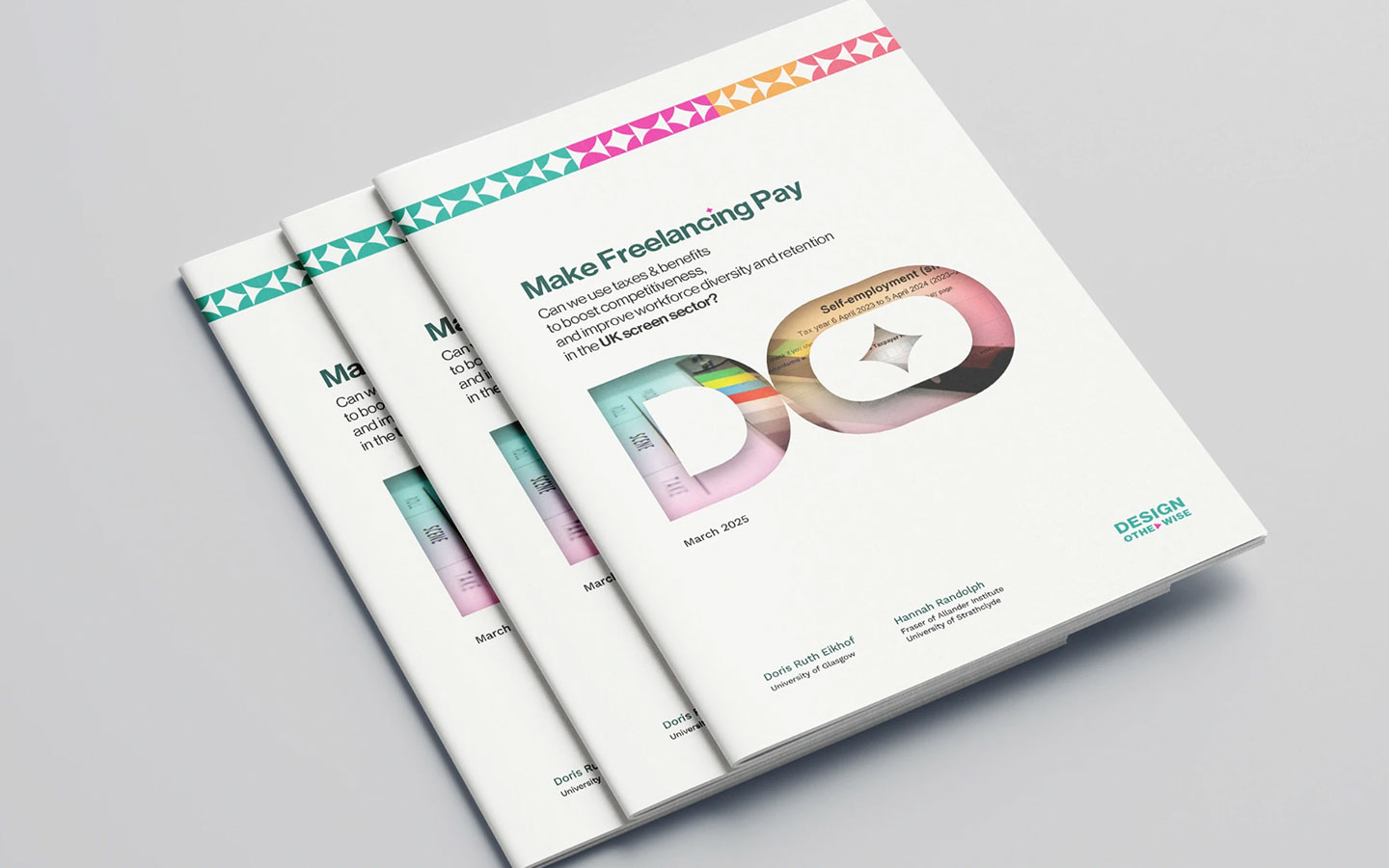
Design Otherwise provides research-driven, evidence-based approaches to improving inclusion and diversity in the cultural economy. We are a University of Glasgow spin-out company that combines internationally leading knowledge with creative content communication. We do the research, so you don’t have to. And we put it to use, in products co-developed with and for you.
Together we can design otherwise: drive change in the creative industries, with inclusion solutions that work for the business model of fast-paced cultural production.
Sustainable Development Goals addressed




UKRN Services CIC
A combination of inconsistent research practices, training gaps, low confidence and rising external scrutiny threatens UK institutional standards, research funding and reputation.

The 1928 Institute
The University of Oxford
The 1928 Institute targets a lack of representation, systemic data gaps, and under-addressed discrimination facing the British Indian community.
The 1752 Group
University of York
Sexual misconduct by staff is under-reported and under-researched. Higher education institutions in the UK need to be leading the change to prevent cultures of abuse, respond effectively and without inflicting further harm, ensure robust, student-centred reporting and investigation procedures, and implement policies and procedures to eliminate the sexual misconduct of academic, professional services, contracted and temporary staff.

Tabletop R&D
Queen Mary University of London
Game designers, developers and publishers often have questions about their games which requires custom answers, such as evaluation of different strategies, game balance, frequency and types of actions played, victory conditions triggered most often, etc.