
Bridging Histories
The University of Bristol


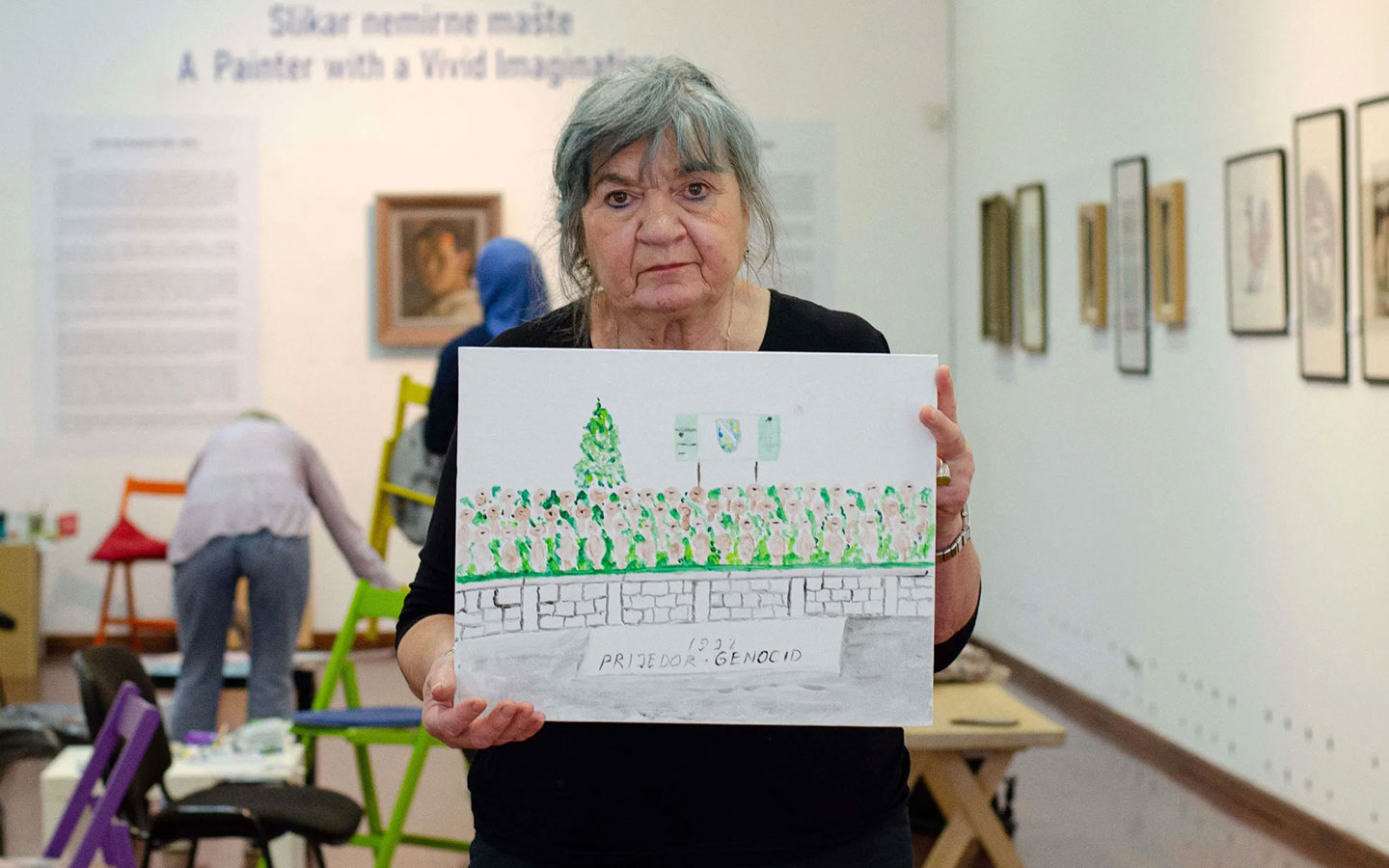

Problem
Conversations revolving contested heritage, local history, identity, justice and prejudices often involve hostile debates, deep polarisation, rigid ideological debates and social division.
Solution
Bridging Histories was developed to help dissolve the very rigid debates and frameworks that we can get locked into. Getting people to tell their stories and share personal memories can help shift social imaginations. As people start hearing each other’s stories and becoming curious about each other, they can step outside of what can seem like a rigid problem and find a more imaginative response.
Bridging Histories invites anybody anywhere to join in a series of activities that celebrate their unique identity in a way that traverses the past, present and future. The project invites people to share personal memories, family recipes, street histories, and creative writing (such as “I am from” poems).
Sustainable Development Goals addressed


UKRN Services CIC
A combination of inconsistent research practices, training gaps, low confidence and rising external scrutiny threatens UK institutional standards, research funding and reputation.
The 1928 Institute
The University of Oxford
The 1928 Institute targets a lack of representation, systemic data gaps, and under-addressed discrimination facing the British Indian community.

The 1752 Group
University of York
Sexual misconduct by staff is under-reported and under-researched. Higher education institutions in the UK need to be leading the change to prevent cultures of abuse, respond effectively and without inflicting further harm, ensure robust, student-centred reporting and investigation procedures, and implement policies and procedures to eliminate the sexual misconduct of academic, professional services, contracted and temporary staff.

Tabletop R&D
Queen Mary University of London
Game designers, developers and publishers often have questions about their games which requires custom answers, such as evaluation of different strategies, game balance, frequency and types of actions played, victory conditions triggered most often, etc.