
Bela
Queen Mary University of London




Problem
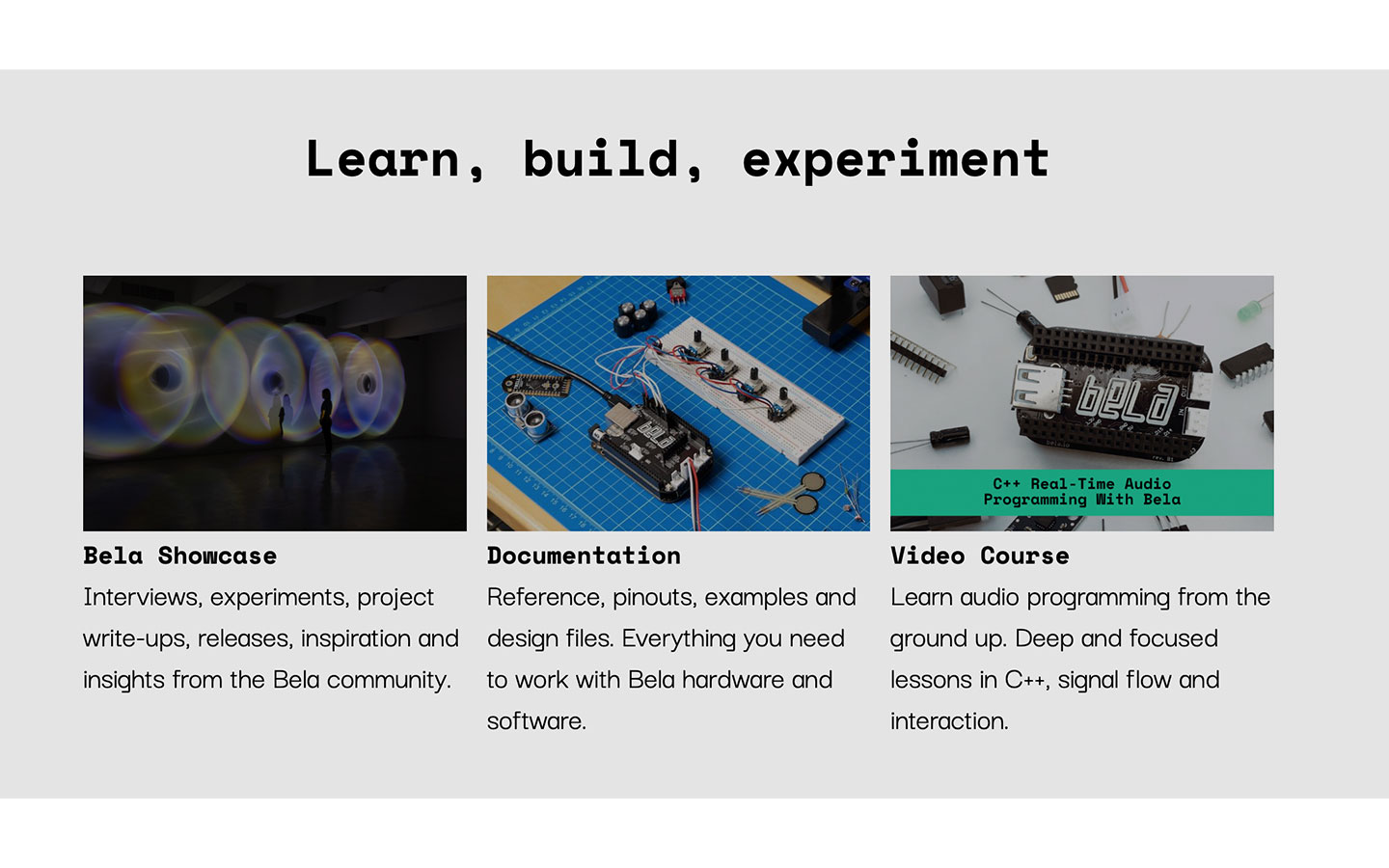
Bela was born out of music research that took place in the Augmented Instruments Lab at Queen Mary University of London, directed by Andrew McPherson. Through the process of creating digital musical instruments that feel as responsive and natural as their acoustic equivalents, McPherson and colleagues failed to find a self-contained system that was not only small enough to embed, able to connect to analog sensors and digital devices, and powerful enough to process audio, but also fast enough to process audio and sensor input with the ultra-low latency that musical interaction demands.
Solution
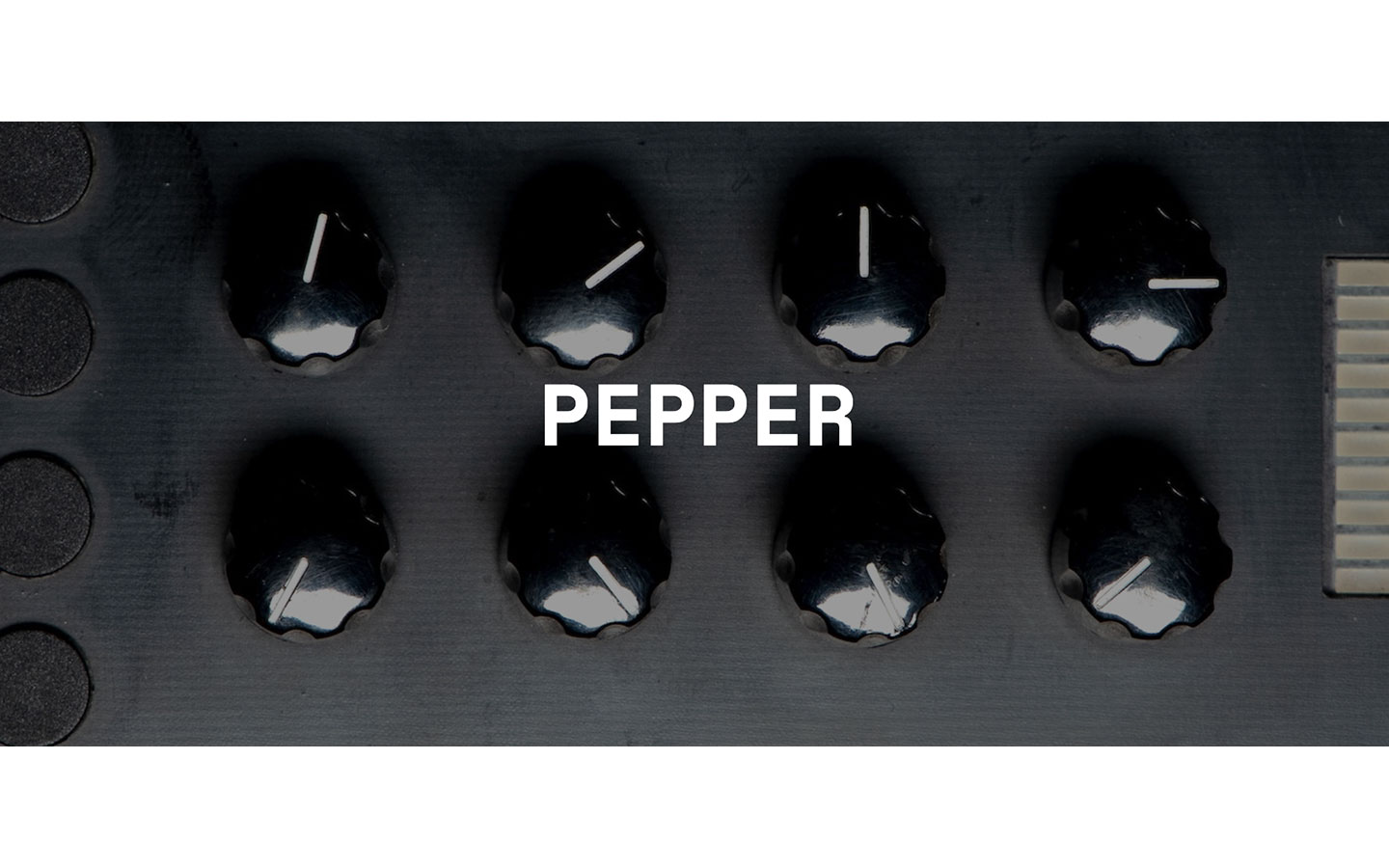
Bela is an open-source embedded computing platform for creating responsive, real-time interactive systems with audio and sensors. Bela supports digital creators of all kinds, including musicians and digital audio enthusiasts. High-performance computing makes natural, beautiful interaction for artworks and innovative products possible, and Bela has focused on making this kind of physical computing accessible by removing major barriers. Bela supports multiple coding languages, so creators can code in the way that makes sense to them; Bela offers a browser-based IDE, replacing complicated toolchains with an interface that loads in a browser and is loaded with tools to help creators make beautiful interaction.
Sustainable Development Goals addressed


UKRN Services CIC
A combination of inconsistent research practices, training gaps, low confidence and rising external scrutiny threatens UK institutional standards, research funding and reputation.

The 1928 Institute
The University of Oxford
The 1928 Institute targets a lack of representation, systemic data gaps, and under-addressed discrimination facing the British Indian community.
The 1752 Group
University of York
Sexual misconduct by staff is under-reported and under-researched. Higher education institutions in the UK need to be leading the change to prevent cultures of abuse, respond effectively and without inflicting further harm, ensure robust, student-centred reporting and investigation procedures, and implement policies and procedures to eliminate the sexual misconduct of academic, professional services, contracted and temporary staff.

Tabletop R&D
Queen Mary University of London
Game designers, developers and publishers often have questions about their games which requires custom answers, such as evaluation of different strategies, game balance, frequency and types of actions played, victory conditions triggered most often, etc.