
RoundView (stewarded by ThinkingWare CIC)
The University of Manchester

Who would you like to contact?
Dr Joanne Tippett
Academic, venture lead
Joanne.tippett@manchester.ac.uk
Problem
There is a growing and well-evidenced rise in eco-anxiety and mental health challenges driven by worry about the climate and nature crises. Talking about sustainability can feel overwhelming and discourage people from taking action. At the same time, educators report a lack of confidence and skills in teaching sustainability and climate change effectively.
Solution
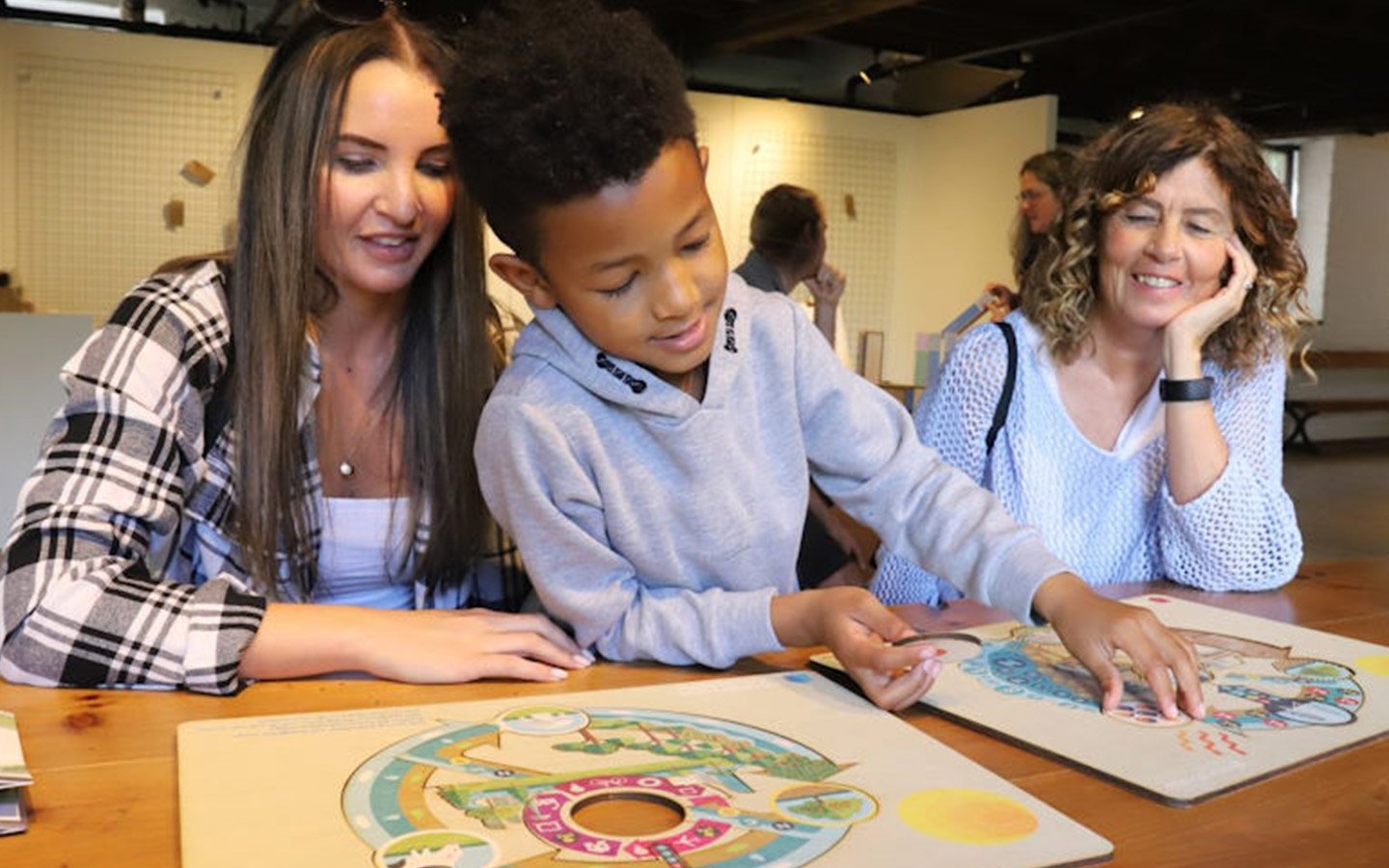
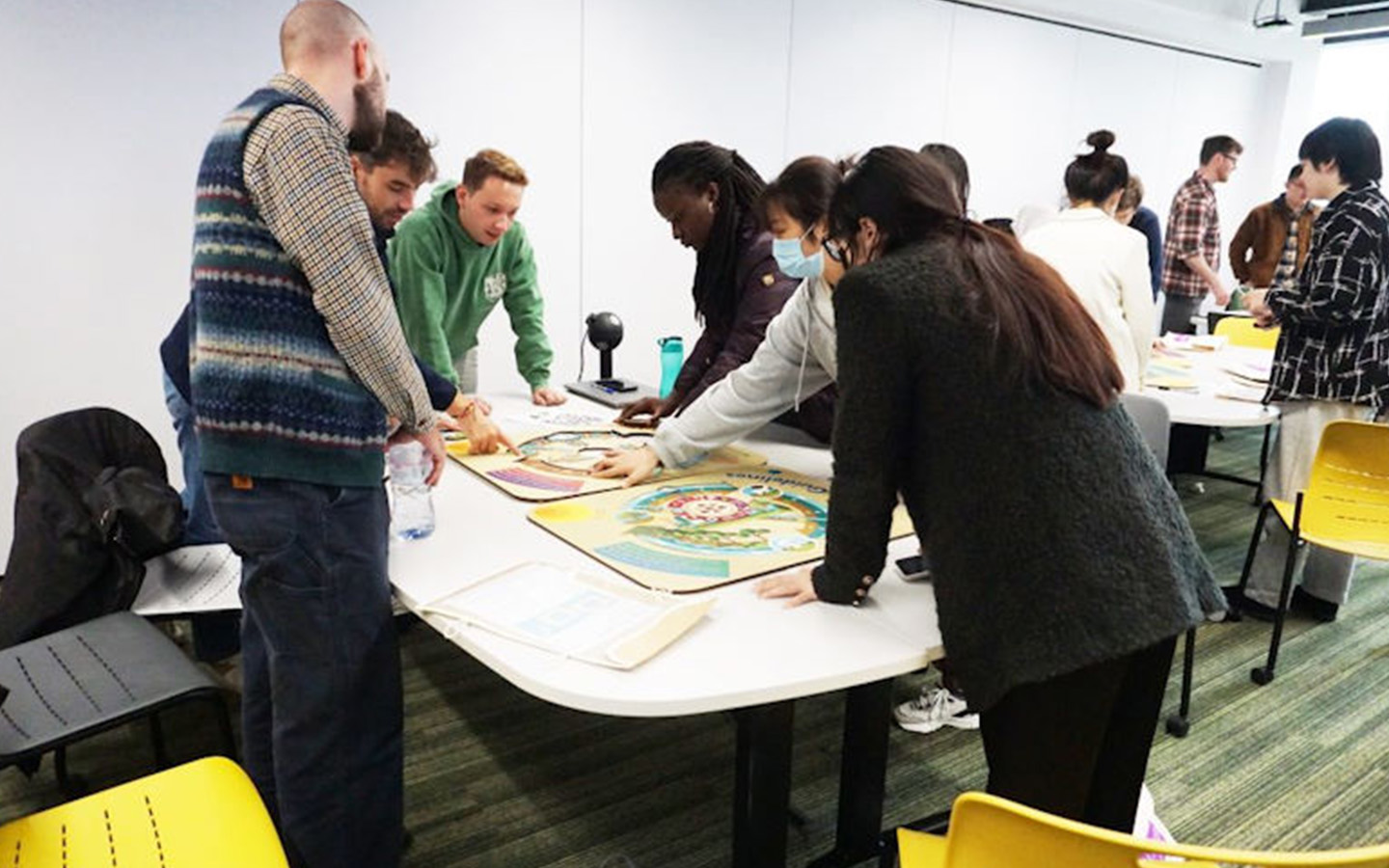
The RoundView is an accessible toolkit for sustainability thinking and learning developed through University of Manchester research and co-production with a range of partners (including Tesco, the National Trust, Natural England, Lancashire Wildlife Trust and UNESCO).
Creative, hands-on learning tools combine art, science and poetry to empower people of all ages to embed environmental sustainability in their decision-making at home, school, work and in their communities.
The RoundView’s unique, holistic learning system shifts the dial from overwhelm and anxiety in the face of environmental challenges to hope, clarity and inspiration. It facilitates important conversations, leading to fresh thinking, behaviour changes and positive action.
Work with Manchester UNESCO City of Literature and the UK Commission for UNESCO has developed the RoundView into a toolkit that can be rolled out in libraries and civic spaces to support sustainability learning with schools, community groups and change initiatives. This innovation has reached at least 140,000 people just in early trials.
Sustainable Development Goals addressed




Some facts:
- There are only three root causes of all environmental problems. With the RoundView’s understanding of these root causes, and their positive opposites, we can stop causing environmental problems in the first place.
- The three-dimensional, hands-on tools for teaching the RoundView emerged during the pandemic, with Joanne Tippett trying out new ideas with her daughter. They used what was at hand – paracetamol boxes – for the first prototypes.

The Engine Room
The University of Manchester
The Engine Room restores the historic Wayfarers Arcade as a living civic space by combining creative enterprise, community learning, and place-based regeneration. As a Community Interest Company, it provides an accessible hub for co-working, gentle making, workshops, and heritage skills development, allowing residents, students, and professionals to gather in a calm, inclusive environment.
Ketso
The University of Manchester
Ketso is a hands-on toolkit kit for learning and engagement. Each component of the toolkit is designed to embody a key principle of co-production, identified and tested through ESRC-funded research.
In Place of War
The University of Manchester
In Place of War is a global organisation that uses artistic creativity in places impacted by conflict and climate change as a tool for positive change.
Affempreneurs
The University of Bristol
Empowers young women micro-entrepreneurs in Sub-Saharan Africa with skills training, mentorship, mental health support, and seed funding.