
BeeBox
Lancaster University


Problem
The provision of both food and habitat are vital to the conservation of bumblebees. Planting wildflowers – such as the rough hawkbit – provides bees with the nectar and pollen they need to survive, but a suitable nesting environment is of equal importance. To truly support bee populations, conservation efforts must balance these two elements — wildflower planting and nesting site provision — ensuring bees have everything they need to thrive and continue their essential role in pollination and ecosystem health.
Solution
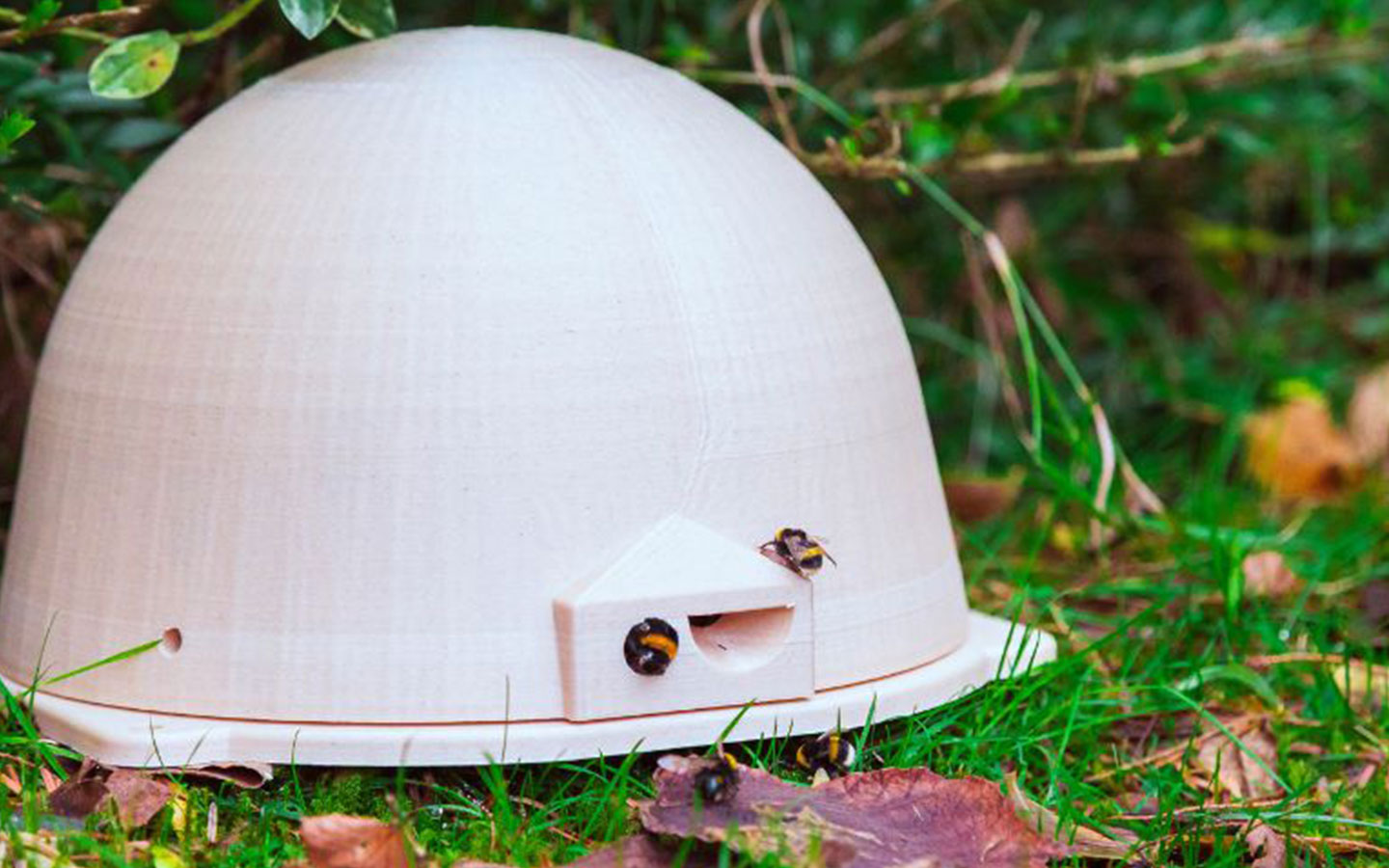
BeeBox is a 3D-printed nest made using sustainable and biodegradable wood-fibre materials. When designing BeeBox, researchers observed the bees’ behaviours in response to different-sized enclosures to see which dimensions provide the most comfort and support for the colony. The structure of the BeeBox also incorporates cavity wall insulation principles to help regulate temperature within the nest.
Sustainable Development Goals addressed


Some facts:
- Bumblebees are in decline for several reasons, one of the primary ones being that their natural nesting habitats have been destroyed by urbanisation and intensive farming. BeeBox artificially supplements naturally occurring nest sites for bumblebees, so by getting a BeeBox for your garden, you can contribute to their conservation.
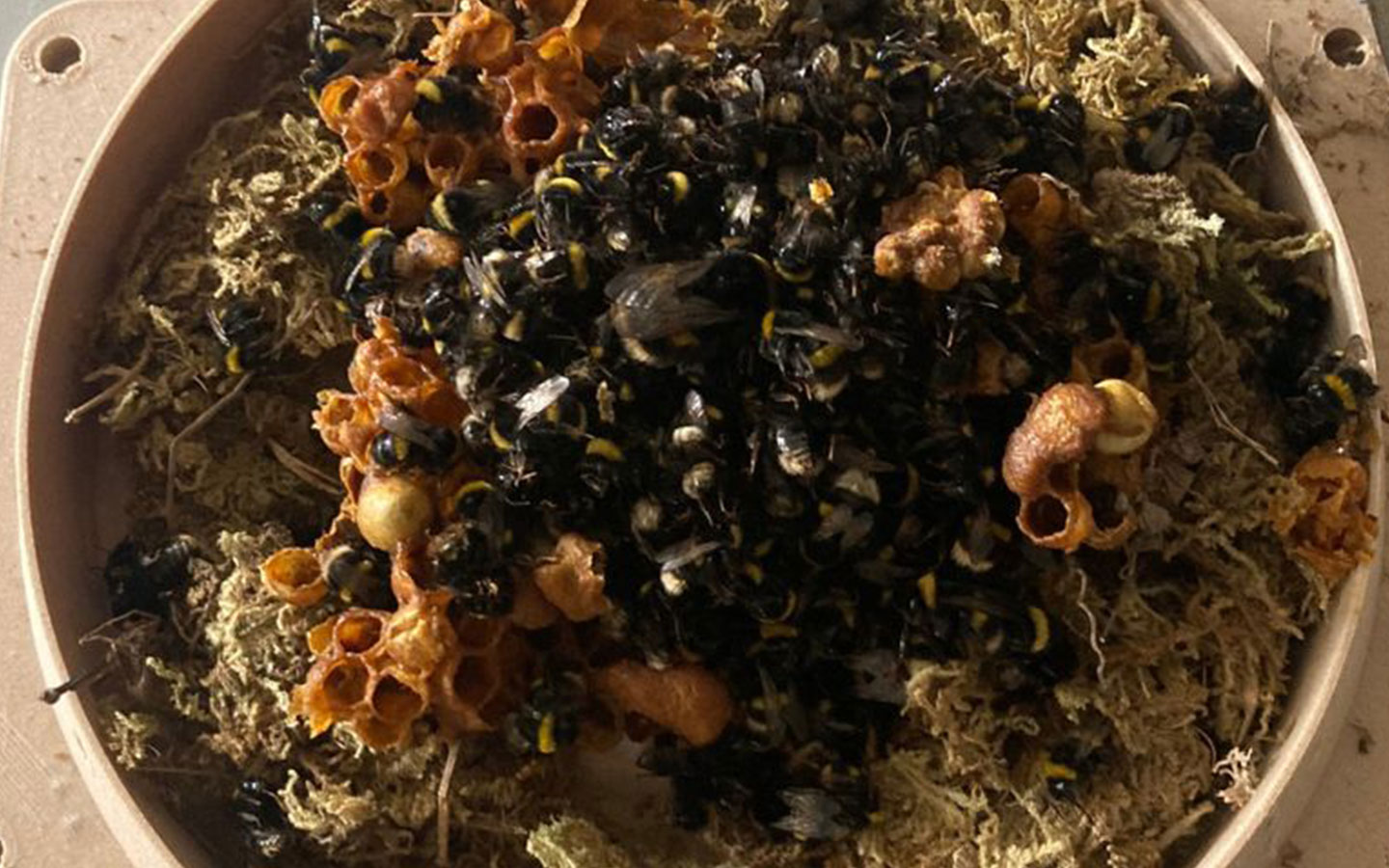
- BeeBox can also be used as a research tool. By adapting the design to incorporate a high-end internal camera and a lighting rig that uses infrared light (which bees can’t see), we can watch bumblebees within their nest!

UKRN Services CIC
A combination of inconsistent research practices, training gaps, low confidence and rising external scrutiny threatens UK institutional standards, research funding and reputation.

The 1928 Institute
The University of Oxford
The 1928 Institute targets a lack of representation, systemic data gaps, and under-addressed discrimination facing the British Indian community.

The 1752 Group
University of York
Sexual misconduct by staff is under-reported and under-researched. Higher education institutions in the UK need to be leading the change to prevent cultures of abuse, respond effectively and without inflicting further harm, ensure robust, student-centred reporting and investigation procedures, and implement policies and procedures to eliminate the sexual misconduct of academic, professional services, contracted and temporary staff.

Tabletop R&D
Queen Mary University of London
Game designers, developers and publishers often have questions about their games which requires custom answers, such as evaluation of different strategies, game balance, frequency and types of actions played, victory conditions triggered most often, etc.