Ketso
The University of Manchester
Sector: Stakeholder engagement and learning
Type: University Business Unit
Who would you like to contact?
Dr Joanne Tippett
Academic, venture lead
Joanne.tippett@manchester.ac.uk
Problem
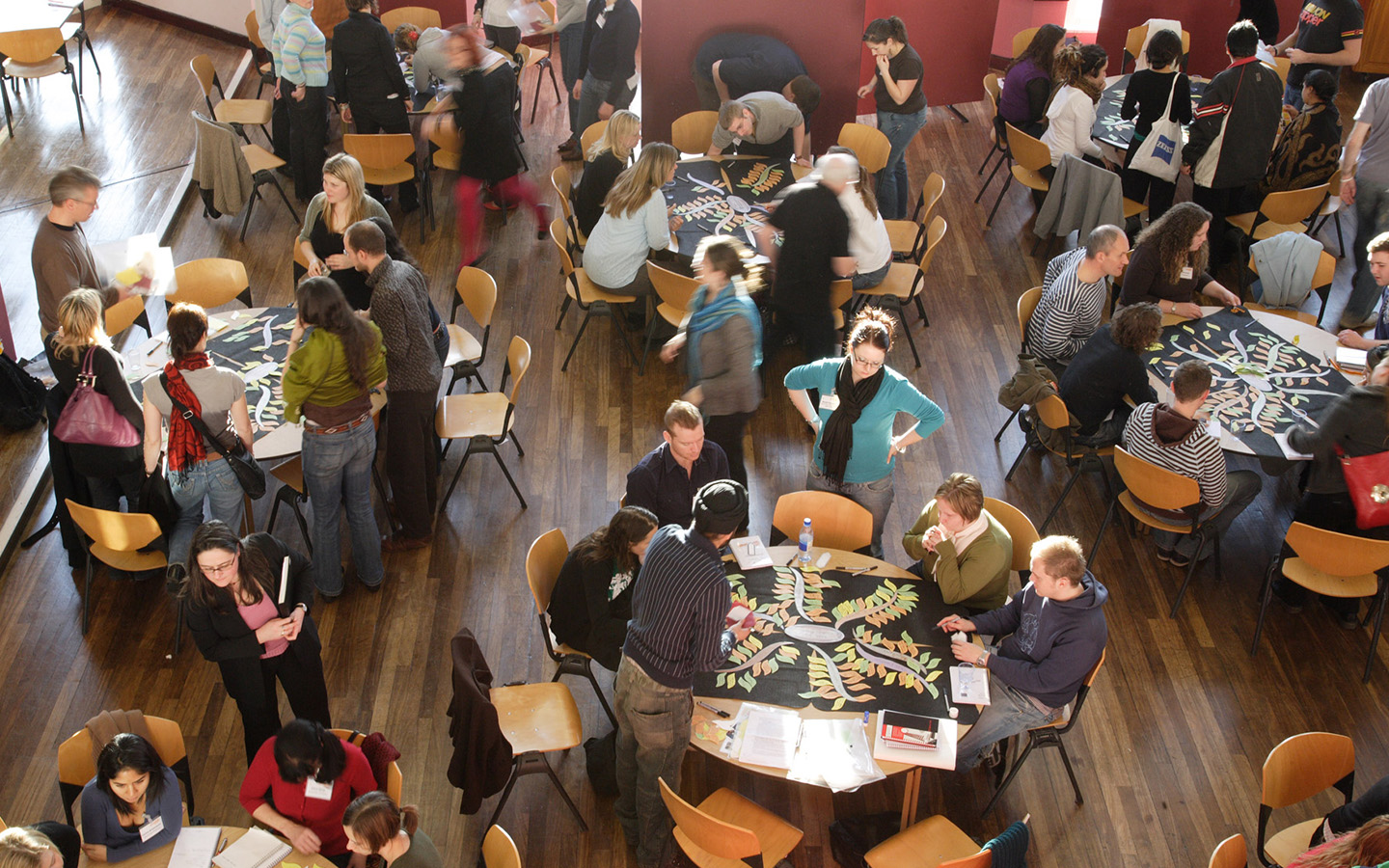
Workshops and meetings often feel inefficient, with some people talking over each other. At the same time some feel unable to speak up, so the loudest voices dominate. Valuable insights are missed when we don’t hear the voices of everyone involved. Stakeholder buy-in is diminished when people don’t feel heard.
Solution
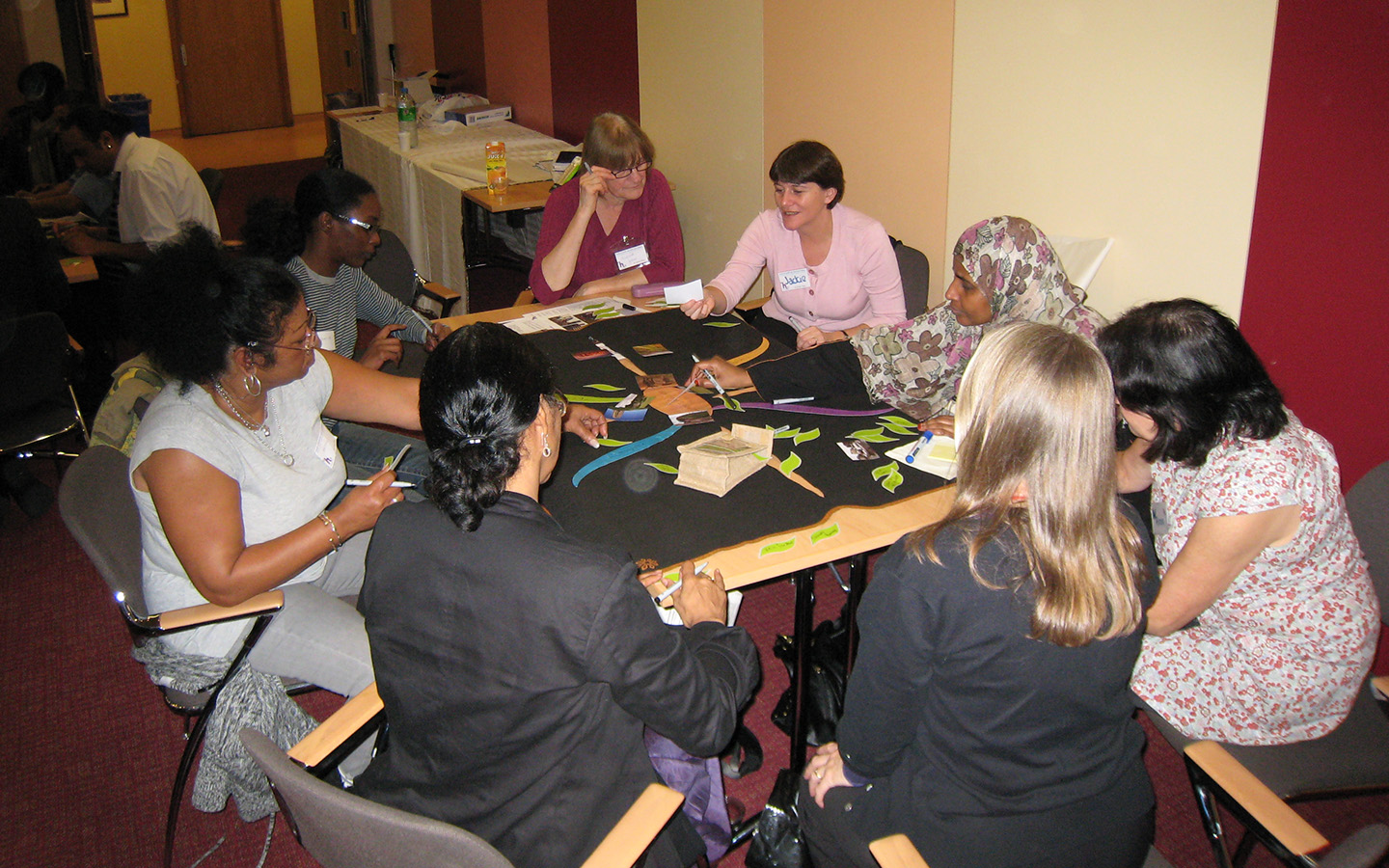
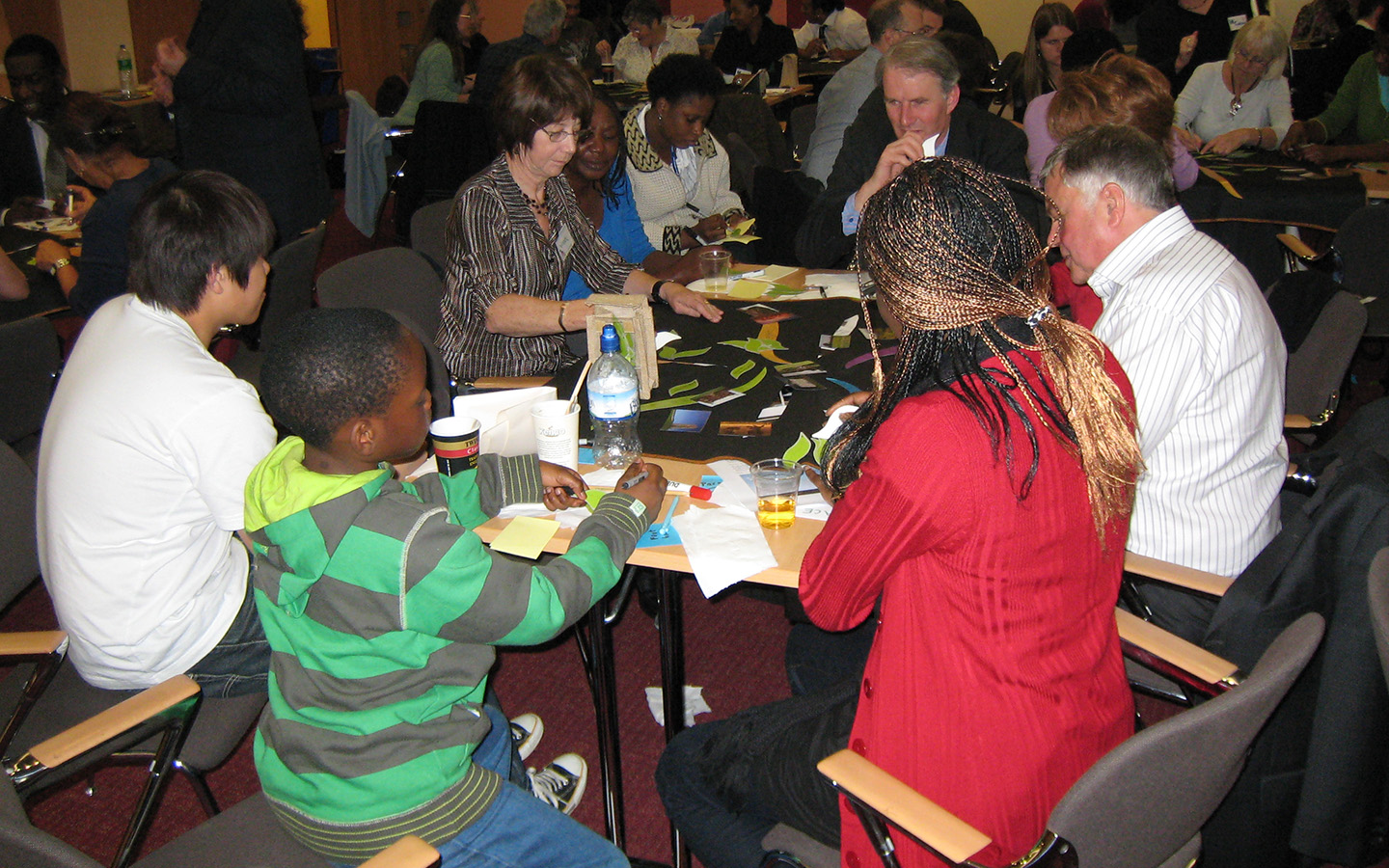
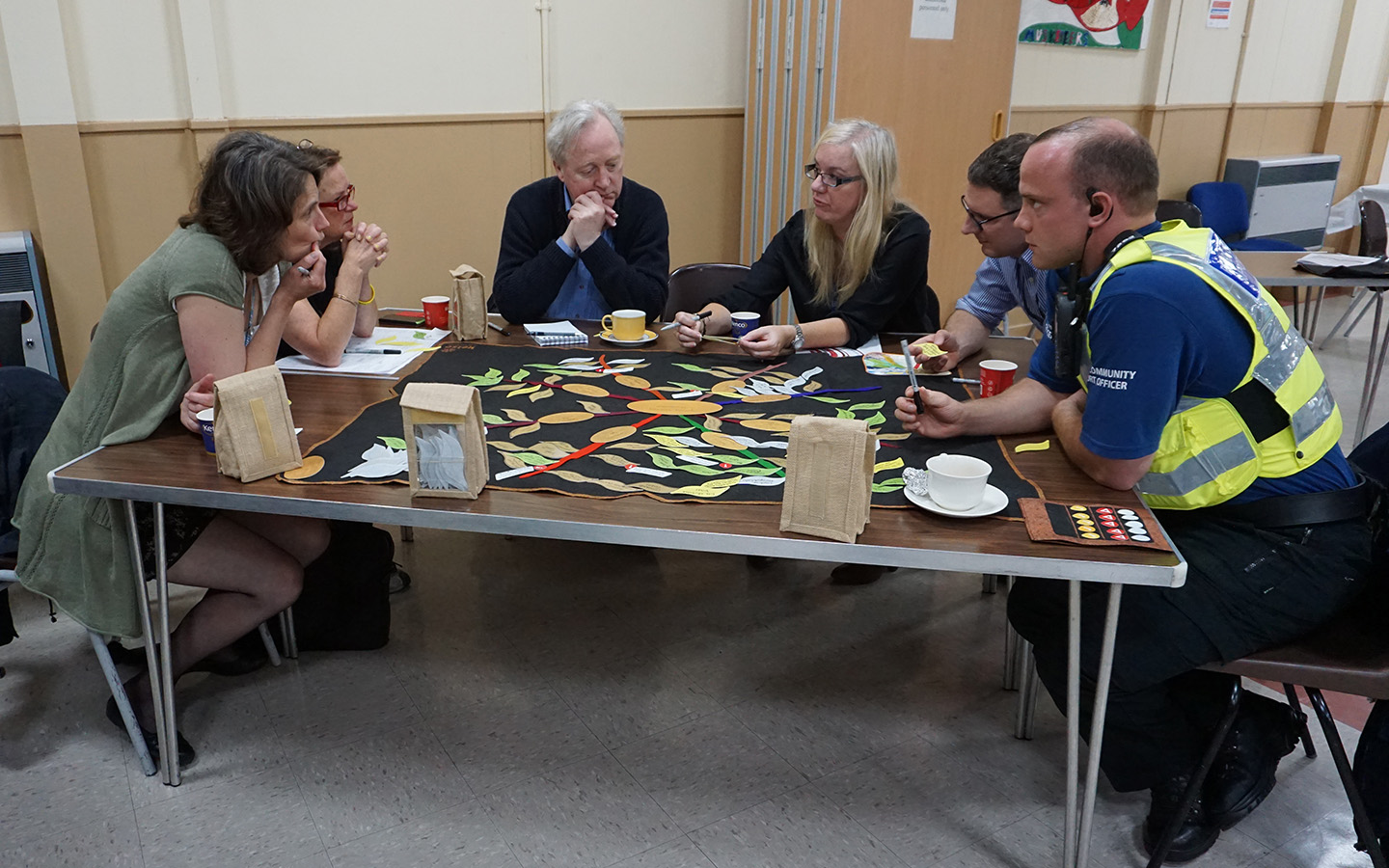
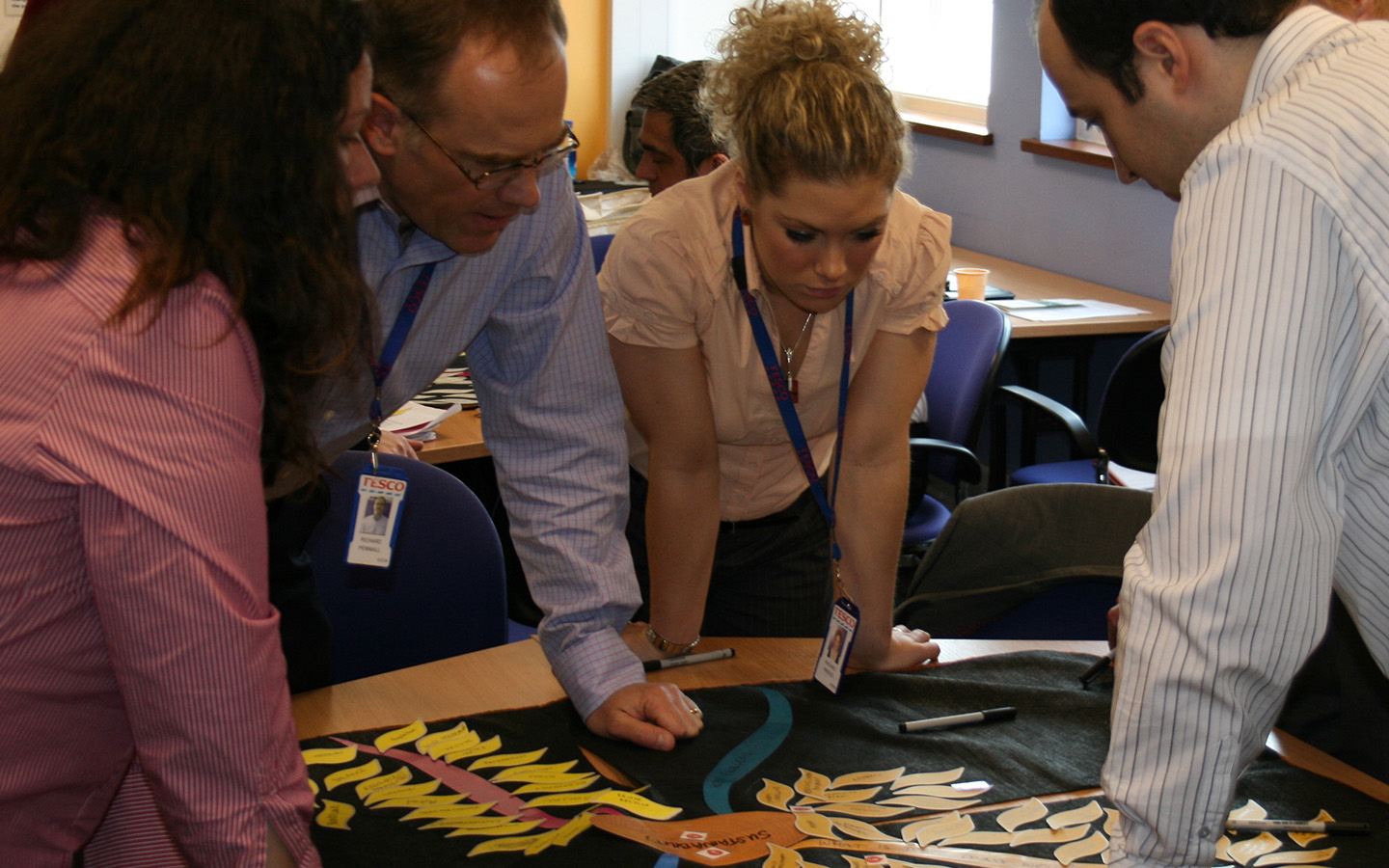
Ketso is a hands-on toolkit kit for learning and engagement. Each component of the toolkit is designed to embody a key principle of co-production, identified and tested through ESRC-funded research.
Ketso facilitates participation by marginalised groups and enables a deeper understanding of their lived experience and needs, leading to improved plans and processes. “The most useful aspect of Ketso is giving people without power a voice…Without Ketso, I would have used more traditional methods of doing focus groups and trying to record those conversations on flip charts. I would have lost voices and not heard from the quiet people. (SeeME Scotland Programme Manager – Communities).
Ketso is reusable and sustainable. It streamlines and simplifies what is often a complex process of engagement: “We achieved in days what would normally have taken weeks, if not months. I know I couldn’t have got the same results with flip charts or sticky notes” (Group President, PeerVoice, a global medical education firm).
Launched as a social business in 2009, Ketso has demonstrated clear beneficial impacts in: community planning, environment, health and wellbeing, social inclusion, business development and education (with over 70 peer-reviewed articles and two REF Impact case studies).
Sustainable Development Goals addressed




Some facts:
- Ketso was the first spin-off company to emerge from ESRC-funded research.
- The word ‘ketso’ means ‘action’ in Lesotho, where the kit was invented in the mid-1990s.
- Ketso has been used in over 80 countries, on every continent apart from Antarctica, and is used in over half the universities in the UK.
- Some of the components of the kit are created from offcuts from the carpet manufacturing business.
UKRN Services CIC
A combination of inconsistent research practices, training gaps, low confidence and rising external scrutiny threatens UK institutional standards, research funding and reputation.
The 1928 Institute
The University of Oxford
The 1928 Institute targets a lack of representation, systemic data gaps, and under-addressed discrimination facing the British Indian community.
The 1752 Group
University of York
Sexual misconduct by staff is under-reported and under-researched. Higher education institutions in the UK need to be leading the change to prevent cultures of abuse, respond effectively and without inflicting further harm, ensure robust, student-centred reporting and investigation procedures, and implement policies and procedures to eliminate the sexual misconduct of academic, professional services, contracted and temporary staff.
Tabletop R&D
Queen Mary University of London
Game designers, developers and publishers often have questions about their games which requires custom answers, such as evaluation of different strategies, game balance, frequency and types of actions played, victory conditions triggered most often, etc.